TL;DR:
Personal selling is direct, person-to-person communication between a salesperson and a prospective buyer. It aims to understand a need and offer a specific product or service to meet it. It is the oldest form of selling. It still drives the bulk of B2B revenue, since buyers weighing complex purchases eventually need a real conversation, not another landing page. The process runs through eight stages: prospecting, pre-approach, approach, need assessment, presentation, handling objections, closing, and follow-up. It costs more per interaction than mass marketing, but it wins on trust, customization, and deals too complex for a checkout page.
Key takeaways:
- Personal selling is one-on-one, not one-to-many. That distinction is what separates it from advertising, email campaigns, and the bulk of digital marketing.
- Gartner research puts the share of a B2B buying journey spent meeting with suppliers at around 17%. The rest happens through independent research, which makes the time reps do get in front of a buyer matter more, not less.
- The classic process has eight steps. Skipping the early ones, prospecting and pre-approach, is why objections tend to show up later than they need to.
- Personal selling costs more per prospect than mass marketing and reaches fewer people. It is worth it for complex, high-value, or highly competitive sales where trust decides the deal.
- Reading buying signals is a real, learnable skill. These are the small verbal and behavioral cues that show a buyer is ready, and a lot of sales training skips them.
What Is Personal Selling
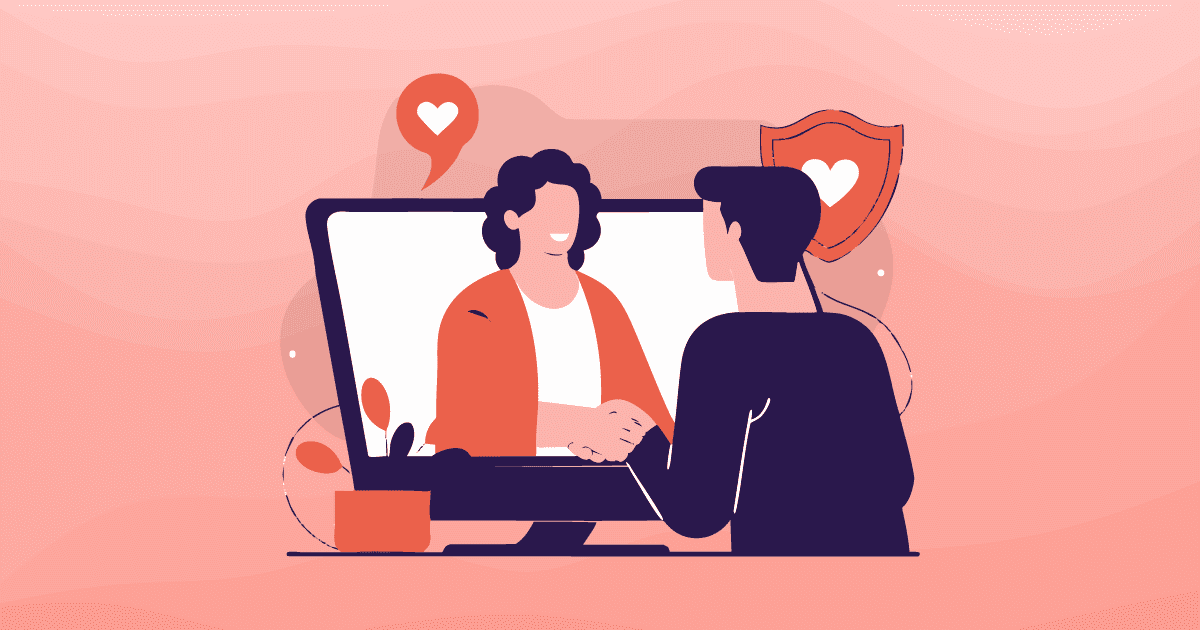
Personal selling is direct, person-to-person communication between a salesperson and a prospective customer. The salesperson learns about a specific need and offers a product or service to meet it. It usually happens face to face, but phone calls, video calls, and even ongoing email exchanges count too. The requirement is a real back and forth between two people rather than a message broadcast to many.
That one detail, direct and two-way, is what separates personal selling from nearly everything else in a marketing plan. An ad, an email blast, and a landing page all talk at an audience. Personal selling talks with one person, adjusts in real time to what they say, and closes the loop right there in the conversation.
Personal Selling vs. Marketing, Social Selling, and Personal Branding
People blend these four terms together constantly, and the differences matter more than they seem to.
Marketing is the broad set of activities that create awareness and demand across a whole market: advertising, content, email, events. Personal selling is one specific tactic inside that broader plan. It's the part where a human talks to another human to close a specific deal.
Social selling is not personal selling with a different channel. It's the practice of using platforms like LinkedIn to build visibility and share useful content. It warms up relationships before a direct conversation ever happens. Reps who build a strong presence this way outsell peers who skip it by a wide margin. The social activity itself is closer to marketing. The actual selling still happens in the one-on-one conversation that follows.
Personal branding is different again. It's about the reputation of the individual rep, not the relationship with any single buyer. A strong personal brand makes a cold approach warmer, but it doesn't replace the conversation. It just makes people more willing to have it.
Why Personal Selling Still Matters in B2B
Buyers now do the bulk of their research before a sales conversation even starts. It would be reasonable to assume that shrinks the role of personal selling. The data says otherwise. Gartner's research on B2B buying puts the share of the buyer's journey spent meeting with suppliers at around 17%. Buyers spend the other 83% comparing options, reading reviews, and building consensus internally, largely without a rep in the room.
That's not a smaller job for personal selling. It's a higher stakes one. When a buyer finally does sit down with a rep, they've already formed opinions and ruled out options. The conversation that happens in that narrow window has to be sharper than a generic pitch. The buyer has already seen the generic version online.
Personalization backs this up from the buyer's side too. Multiple studies on customer experience consistently find that a majority of buyers say individual treatment makes them more likely to buy. A comparable share say they notice, and dislike, its absence. A stack of email templates cannot read a room. A person can.
Types of Personal Selling
Personal selling looks different depending on what's being sold and to whom, though the underlying skill set carries across all of them.
Retail Selling
A salesperson helps a customer in a store or an online chat, explains options, and closes the sale on the spot. The sales cycle is short, sometimes a single conversation, and the rep rarely sees the customer again unless it's a repeat purchase.
B2B Selling
The rep sells to a business rather than an individual, which usually means more than one stakeholder weighs in on the decision. A clear B2B sales process matters more here than in retail, since the deal moves through more approvals and takes longer to close.
Telemarketing
The rep reaches a prospect by phone rather than in person. It carries a worse reputation than it deserves, largely because of low effort cold calling done from a rigid script. Done well, with real research behind the call, phone based personal selling still works, especially early in a B2B sales cycle.
Direct Selling
The rep visits a customer directly, often in their home, to demonstrate a product and close the sale in person. It's less common in B2B. It survives in categories like home improvement and specific financial products where trust and a physical demonstration matter.
Consultative and Relationship Selling
The rep acts less like a pitchman and more like an advisor, asking questions to diagnose a problem before proposing a solution. Frameworks like SPIN selling formalize this approach. Value selling pushes it further by tying every claim back to a specific, quantified outcome for that buyer. This is the dominant mode in modern B2B, where the sale is complex enough that nobody buys on features alone.
The Personal Selling Process
This process traces back to a sales training text from 1918, and the steps have barely changed since. That says something about how durable the underlying logic is.
1. Prospecting
Identifying people or companies that might have a real need for what's being sold. This can come from referrals, inbound interest, or outbound research. The goal is narrower than it sounds: find people worth spending time on, not just people who fit a broad category. Sales prospecting done well filters out a lot of dead ends before a rep ever picks up the phone.
2. Pre-Approach
Research before the first real conversation. This means understanding the prospect's business and their likely priorities. It also means knowing where they sit against an ideal customer profile. That way, the rep walks in with context instead of starting from zero.
3. Approach
The first real contact. First impressions carry weight here, and the goal is simply to open a genuine conversation, not to launch straight into a pitch. A rep who starts selling before the prospect has said more than "hello" usually loses the room before the meeting really starts.
4. Need Assessment
Asking the questions that reveal what the prospect needs. What's not working with their current approach, and what a good outcome would look like for them. The right prospecting questions at this stage do more work than any slide in the deck that follows.
5. Presentation
Showing how the product or service addresses the specific needs uncovered in the previous step, not a generic walkthrough of every feature. A strong sales pitch built this way follows something close to the classic AIDA structure. Catch attention, build interest, create genuine desire for the outcome, then point toward a clear next step.
6. Handling Objections
Prospects raise concerns about price, fit, timing, or trust, and a good rep treats these as information rather than a rejection. Sales objections usually mean the prospect is engaged enough to think through the details, which is a better sign than silence.
7. Closing
Asking directly for the business once the rep has addressed the prospect's concerns. This can be a direct ask. It can also be a summary of what both sides have agreed to. A smaller trial commitment works too, testing readiness before the full ask.
8. Follow-Up
Checking in after the sale to confirm the customer is getting value. This catches problems early and lays the groundwork for renewals or referrals. Skipping this step is the fastest way to turn a closed deal into a one-time transaction instead of a relationship.
Advantages and Disadvantages of Personal Selling
Key Skills for Personal Selling
Active Listening
The core skill underneath everything else on this list. A rep who talks more than they listen ends up pitching a solution to a problem the buyer never raised. Real listening means tracking not just what a prospect says but what they emphasize, hesitate over, or bring up more than once.
Product Knowledge
Buyers can tell within a few minutes whether a rep understands what they're selling or is reciting a script. Deep knowledge lets a rep answer a hard question on the spot. That matters more in a live conversation than it does in an email, where promising to follow up is always an option.
Reading Buying Signals
Prospects give off small verbal and behavioral cues that indicate where they stand. Specific questions about implementation instead of general ones about features. Handling a product rather than just looking at it. Asking about timelines and next steps unprompted. A lot of sales training skips this entirely. Recognizing these signals is what tells a rep when to stop selling and start closing.
Objection Handling
Every real conversation includes pushback, and the skill isn't avoiding it. It's staying calm and asking the prospect to explain the objection rather than assuming what they mean. It also means responding to the specific concern instead of a generic version of it. A rep who gets defensive at the first objection rarely recovers the room.
When to Use Personal Selling
Personal selling earns its cost in a specific set of situations, and it's a poor fit outside them.
It works best when the product is technical enough that a buyer needs explanation, not just a spec sheet. It also earns its keep for new products, since buyers need more convincing about something they haven't seen before. High-end or high-cost purchases benefit from it because buyers want to ask questions before committing real money. And in crowded, competitive markets, a direct conversation is often the only way to differentiate. Every competitor's website says roughly the same thing.
It's a worse fit for low-cost, high-volume products. The cost of a real conversation per unit sold doesn't pencil out there. Mass marketing or self-serve channels do the job at a fraction of the price.
Conclusion
Every few years, a new tool promises to make the human conversation in sales optional. None of them have. Automation moves faster and reaches further. But it cannot read a hesitation in someone's voice. It cannot adjust a pitch mid-sentence because the buyer just mentioned a constraint nobody put in the CRM.
Personal selling survives because people making complex decisions still want to ask a question and hear a real answer before they commit. The process is a hundred years old and the channels keep changing, but that one fact hasn't moved at all.