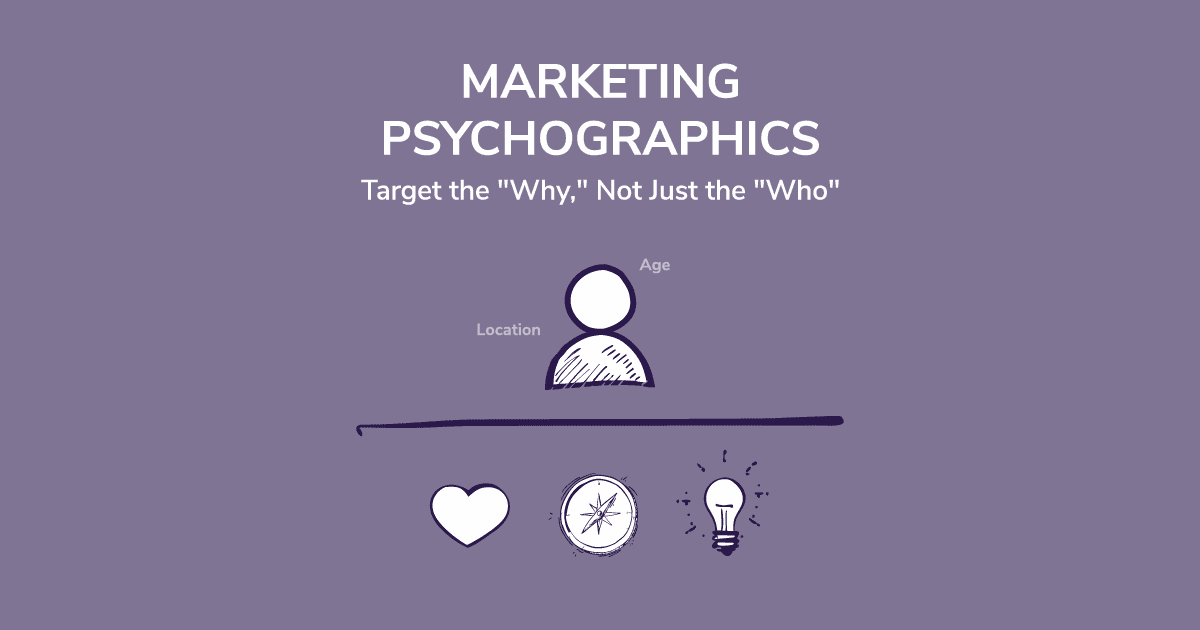
Psychographics in marketing explain why people buy, not just who they are. When you ignore this layer, campaigns may look active on the surface but fail to drive real results.
Imagine launching a new ad campaign. Likes increase, comments come in, and your follower count grows. Then you open your sales dashboard, and nothing has changed.
On paper, everything looks right. You targeted the correct age group, selected the right locations, posted consistently, and followed current trends. Yet the people engaging with your content never turn into customers.
This is where most marketing goes wrong. You are targeting data points, not real people with real motivations.
Demographics give you surface level information like age, gender, and location. Psychographics go deeper. They reveal beliefs, desires, fears, and buying triggers. They explain why someone pays attention and why they decide to act.
Without psychographics, your messaging feels generic. It attracts attention but fails to build trust or urgency, which leads to shallow engagement and weak conversions.
When you understand psychographics, your marketing becomes more human. Your words feel relevant, your offers feel timely, and your audience feels understood.
In this guide, you will learn how to use psychographics in marketing step by step. You will also see why basic targeting no longer works and how speaking to mindset turns likes into loyal customers.
What Are Psychographics?
Psychographics describe the psychological traits that influence how people make buying decisions. This includes values, attitudes, interests, lifestyles, opinions, and personality traits.
Unlike demographics, which focus on surface level details like age or income, psychographics focus on motivation. They explain why someone chooses one product over another and what drives their behavior.
In marketing, psychographics help you move beyond broad audience segments and understand real intent.
Combining your basic data with these deeper insights gives you a complete buyer persona. This allows you to position your product as the perfect solution to their specific life challenges.
How Psychographics Are Used in Marketing
Psychographics are especially powerful in both B2C and B2B marketing.
They help marketers build accurate buyer personas by revealing pain points, goals, and aspirations. Instead of generic messaging, teams can create content that speaks directly to what the audience cares about.
In sales and sales enablement, psychographics guide personalized outreach. A prospect who values efficiency responds to time saving benefits. A prospect who values innovation responds to new ideas and performance gains.
Psychographic data is commonly gathered through surveys, interviews, website analytics, content behavior, and customer feedback. These insights also support better SEO, content strategy, and lead nurturing.

SMARTe GTM Intelligence
Start Smarter Prospecting Today
Psychographics vs Demographics
It is easy to confuse the two, but understanding the difference is key to a successful strategy.
- Demographics explain who your buyer is.
- Psychographics explain why they buy.
Demographics are dry, objective facts: Age, gender, location, job title, and income.
Psychographics are subjective and personal: Beliefs, hobbies, fears, and goals.
Think of demographics as the skeleton of your customer, and psychographics as the flesh and blood that brings them to life.
Here is a quick breakdown:
Why the distinction matters:
Demographic segmentation is a great starting point, but it paints with a very broad brush.
For example, imagine two men who fall into the exact same demographic profile: They are both 45 years old, earn $100k a year, and live in New York.
- Man A is adventurous, loves risk, and spends his weekends skydiving.
- Man B is family-oriented, risk-averse, and spends his weekends gardening.
If you try to sell a high-speed motorcycle to both of them using the same message, you will fail with Man B. Even though they look the same on a spreadsheet, their psychographics are total opposites.
By tailoring your content to specific psychographic groups, you stop wasting money on people who "fit the mold" but don't share the mindset. You can speak directly to their values, making your marketing feel less like a sales pitch and more like a conversation.
Psychographic Profiling
A psychographic profile is essentially a "personality cheat sheet" for your ideal customer. While a demographic profile gives you the bare facts, a psychographic profile highlights their attitudes, daily habits, and deepest interests. It is a collection of values and behaviors that reveals who is actually ready to buy what you are selling.
Because people buy with their hearts (emotions/values) and justify it with their heads (logic), psychographic profiling is incredibly effective. When you understand the psychological drivers of your audience, you can craft a brand voice that feels less like a corporation and more like a friend who "gets it."
To see the difference, let’s build a profile for a hypothetical business: A Premium Organic Coffee Subscription.
Demographic Profile (The "Who")
- Gender: Male
- Age: 28–40
- Relationship Status: Single or dating
- Location: Urban city center
- Income: $80,000+ per year
Psychographic Profile (The "Why")
- Values: Sustainability and fair trade; willing to pay extra for ethical sourcing.
- Pain Points: Hates running out of coffee in the morning; dislikes the taste of cheap grocery store brands.
- Lifestyle: Identifying as a "foodie"; enjoys the ritual of brewing coffee manually (Pour-over/French press).
- Habits: Checks email immediately upon waking; listens to productivity podcasts.
- Personality: Introverted morning person who views coffee as "fuel" for their career.
The Verdict:
If you only looked at the Demographics, you would probably waste money advertising generic coffee on cable TV. You know who he is, but not what he cares about.
By adding the Psychographics, the strategy changes completely. Now, you know to advertise on productivity podcasts or Instagram (where foodies hang out). You know your ad copy shouldn't just say "Great Coffee"—it should say "Ethically sourced fuel for your morning hustle, delivered so you never run dry."
Do you see the difference? Demographics give you a sketch; psychographics fill in the color.
Core Psychographic Factors That Shape Buying Decisions
Psychographic factors help you understand how and why people make buying decisions. Since psychographics can feel abstract at first, the easiest way to use them is to break them into clear categories.
Most marketers work with six core psychographic factors. These factors group people by how they think, feel, and behave, not just who they are on paper.
1. Personality Traits
Personality describes how a person interacts with the world. Some people take risks. Others avoid them. Some seek attention. Others prefer privacy.
This matters in marketing. Someone buying paragliding gear responds to excitement and freedom. Someone buying insurance looks for safety and control. The product may change, but the personality match matters more.
2. Lifestyle
Lifestyle shows how people spend their time and money. It is often shaped by life stage and daily routines.
A digital nomad values mobility, flexibility, and lightweight tools. A suburban parent prioritizes convenience, reliability, and family focused products. The same message cannot speak to both.
3. Social Class Mindset
Social class today is less about income and more about perception. Buyers often see themselves as budget focused, mid range, or premium.
A luxury buyer may avoid products that feel too cheap. They associate price with quality. Meanwhile, a value driven buyer looks for efficiency and savings. Understanding this mindset helps you price and position correctly.
4. Habits
Habits are actions people repeat without thinking. They are powerful and difficult to change.
If your audience scrolls social media before bed, that habit tells you where and when to show up. Marketing works best when it fits naturally into existing routines.
5. Consumer Behavior
Behavior tracks how people act when buying. Some stay loyal to one brand. Others switch when discounts appear. Some research for weeks. Others buy on impulse.
These patterns help you shape offers, timing, and messaging. A cautious buyer needs reassurance. An impulse buyer needs urgency.
6. Interests
Interests reveal what people care about. This includes hobbies, content they consume, and topics they follow.
When your brand aligns with existing interests, resistance drops. A gaming influencer promoting energy drinks works because the audience already trusts the space and the context feels natural.
Pro Tip: Psychographic segmentation is often confused with behavioral segmentation. Psychographics focus on internal motivation, such as wanting to live a healthy life. Behavioral segmentation focuses on visible action, such as buying a salad. Both matter, but motivation always comes first.
What Is Psychographic Data and Why It Matters
Psychographic data reveals what drives your buyers from the inside. It captures their fears, desires, values, motivations, and spending triggers. This data explains the why behind buying decisions, not just the action itself.
When you use psychographic data in marketing, your messaging becomes personal. Instead of guessing what might work, you speak directly to what your audience already cares about. That is how relevance and trust are built.
How to Collect Psychographic Data About Your Audience
Once you know what psychographic data is, the next question is how to find it. You cannot pull motivations or fears from a database. You have to uncover them intentionally.
Here are four proven ways to gather psychographic insights that actually matter.
1. Talk to Your Existing Customers
Your best source of psychographic data is the people who have already chosen you. They trusted you once and are usually open to sharing more.
Reach out with a short call or a personal email. Do not focus only on your product. Focus on their life, habits, and challenges.
Ask questions like:
- What is the biggest challenge you face in your day to day life right now
- Which blogs, creators, or influencers do you follow regularly
- If you had one free hour today, how would you spend it
These answers reveal values, priorities, interests, and pain points. Many customers enjoy being asked and feel valued in the process.
2. Analyze Website and Social Media Behavior
If you prefer data over conversations, study digital behavior. Your audience leaves clues behind in every click.
Check your analytics tools and social insights. Look closely at what content performs best. If a post about saving money outperforms one about premium features, your audience may be price conscious.
Pay attention to timing. Late night purchases can signal stress, impulse buying, or non traditional schedules.
Watch what people click, not just what they say. Someone may claim they value quality, but repeated visits to the discount section tell a different story.
3. Run Focus Groups
Focus groups help you hear how your target audience thinks out loud. They bring together a small group of people who match your ideal customer but are not tied to your brand.
Choose participants carefully. If you sell gaming accessories, invite active gamers, not casual observers.
The real value comes from listening. Notice the words they use, the problems they agree on, and the emotions behind their reactions. This natural conversation often reveals insights no survey can capture.
4. Use Market Research and Industry Reports
If time is limited and budget allows, you can purchase psychographic data from research firms. Companies like Nielsen and Gartner already study large consumer groups across industries.
This approach gives you broad, reliable insights quickly. It can be costly, but it removes the guesswork.
For smaller teams, start with industry white papers, trend reports, or tools like Google Trends. These sources often provide enough psychographic insight without heavy investment.
Using Psychographics in Marketing
Once you have psychographic data, guessing should stop. This is where psychographic marketing starts driving real growth. You move from broad messaging to precise influence.
Below are four practical ways to apply psychographic insights to your marketing strategy.
1. Motivate Buyers Based on Their Real Drivers
When you understand what motivates your audience, you know which messages will work and which will fail.
Take a serious coffee enthusiast. A heavy discount might turn them away. Cheap pricing can signal low quality. This buyer cares about consistency, craftsmanship, and ethics.
Your messaging should reflect that mindset.
Use social proof by highlighting reviews from other coffee enthusiasts who value freshness and taste.
Explain the why behind your product. Share stories about direct trade sourcing and ethical farming. This supports their desire to buy responsibly.
The message aligns with who they are, not just what they buy.
2. Show Up Where They Actually Spend Time
Demographic targeting might suggest broad ad platforms. Psychographic targeting shows you where attention really lives.
Your buyer may unwind on LinkedIn reading productivity posts or listen to lo fi playlists while working. That insight changes your channel strategy.
Instead of spreading budget across generic ads, you could sponsor a morning routine segment on a productivity podcast. You could publish thoughtful LinkedIn content on how caffeine timing impacts focus and performance.
By appearing in familiar digital spaces, your brand feels helpful instead of disruptive.
3. Connect Your Product to Their Interests and Priorities
Psychographics reveal what your audience values beyond the product itself.
If your buyer enjoys the ritual of making coffee, your visuals should slow down. Show steam rising from a French press. Show the controlled pour of a kettle. Focus on the process, not just the result.
If career growth matters to them, frame your content around performance. Share ideas like how a short coffee ritual can sharpen focus before an important meeting.
You are not changing their priorities. You are aligning with them.
4. Create Call to Actions That Match Their Mindset
Generic calls to action rarely convert. Psychographic marketing allows you to speak directly to identity and aspiration.
A simple buy now feels transactional. A tailored CTA feels personal.
Instead of saying buy our coffee today, say upgrade your morning ritual and get fresh beans delivered to your door.
Pair this message with imagery that reflects their ideal self. A clean workspace. A focused moment. A quiet cup of coffee next to a laptop.
The goal is simple. Help the buyer see who they want to be, with your product already in their hands.
Top 5 Psychographic Examples in Marketing
Every audience is different, but most marketers rely on a few core psychographic examples to build meaningful segments. These categories help you understand how people think, decide, and buy.
1. Personality Traits
Personality shapes how a buyer approaches decisions. Some people love trying new products first. Others wait until every risk feels removed.
An early adopter responds to innovation and novelty. A risk averse buyer needs proof, reviews, and reassurance.
Pro tip: Place your audience on a spectrum. Are they analytical or spontaneous? Analytical buyers want data, comparisons, and details. Spontaneous buyers respond better to urgency and limited time offers.
2. Lifecycle Stage
Lifecycle stage shows where someone is in their relationship with your brand.
In the awareness stage, they recognize a problem. In the consideration stage, they compare options. In the loyalty stage, they trust you and may recommend you to others.
Each stage needs a different message. Asking for a sale too early feels forced. Relevance always depends on timing.
3. Interests
Interests reveal what your audience cares about outside your product.
If your coffee buyers value sustainability, highlight compostable packaging and ethical sourcing. If they admire luxury brands, focus on exclusivity and rare blends.
The closer your message aligns with existing interests, the less resistance you face.
4. Attitudes and Beliefs
Attitudes and beliefs shape how people see the world and justify purchases.
If your audience believes self care matters, position your product as a small daily reward. If they believe time equals money, emphasize convenience and efficiency.
When your message matches their worldview, it feels natural instead of persuasive.
5. Activities
Activities show where people actually spend time and money.
An interest is passive. An activity is active. Someone may like fitness in theory, but regular gym visits show real intent.
If your buyer works remotely, show your product in a home office setting. Real life context increases relevance and trust.
Conclusion
Psychographics change how you market. They shift your focus from surface level data to real human motivation. Age, location, and job titles may tell you who your audience is, but psychographics explain why they act.
When you understand personality, interests, beliefs, and habits, your messaging becomes clearer and more relevant. You stop chasing attention and start earning trust. Your campaigns feel less like ads and more like conversations.
The goal is not to manipulate. It is to listen. Brands that listen build stronger connections, better loyalty, and long term growth.
Start small. Talk to your customers. Study behavior. Refine your message. When you market to mindset instead of metrics, results follow.