TL;DR:
Cold calling is not dead in 2026, but the blind, high volume version of it is. The version that still works combines verified data, sharper prep, multichannel backup, and the right compliance approach, not any single factor on its own.
- Cold calls convert into a booked meeting roughly 2 to 3 percent of the time on average, and that number climbs once reps target researched accounts instead of random dials.
- 57 percent of C suite buyers still tell researchers they prefer the phone over other outreach channels.
- Cold calling performs best layered with email and LinkedIn, not run as a standalone channel.
- Verified direct dial coverage (SMARTe reports 75%+ across US contacts) moves connect rates more than script quality does.
- B2B cold calling still falls under FTC and GDPR rules, so compliance is not optional, even for outbound-only teams.
Is cold calling dead in 2026? Short answer: no, and the reasons go well beyond the connect rate stats everyone quotes.
Your rep dials 40 numbers before lunch and books zero meetings. By 2 PM, someone on the floor says cold calling is dead. I have heard some version of that sentence on almost every sales team I have worked with, and it is almost never true.
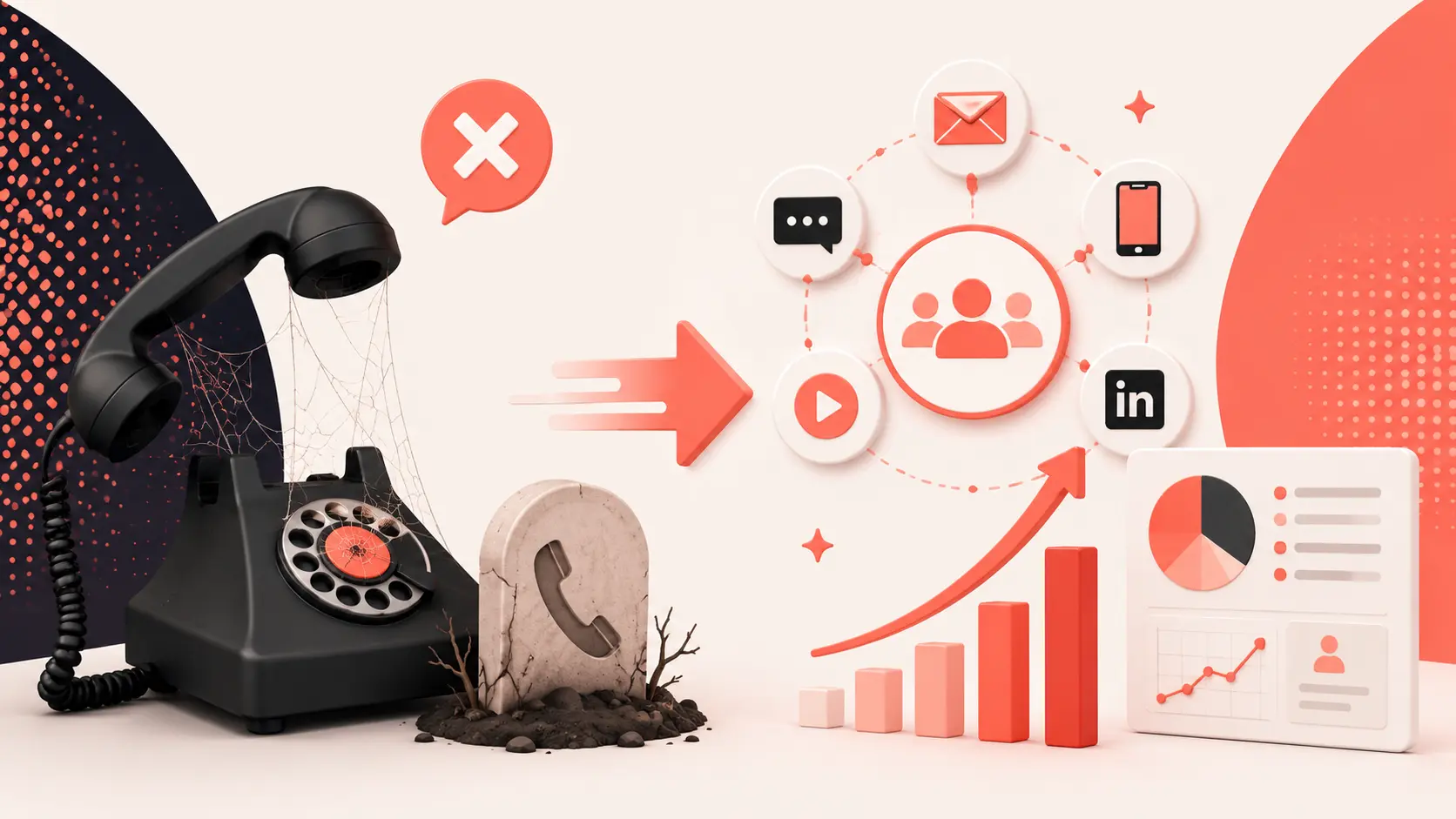
What is dying is dialing a stale list and hoping the tenth call lands better than the first nine, not the phone call itself.
Reasons Why Cold Calling Is Not Dead and Still Works in 2026
Every one of these reasons keeps showing up on the calling floor, not just in a spreadsheet. Now let's look at the reasons why cold calling is still effective and works in 2026:
1. The Data Still Backs the Phone Call
Numbers first. Cold calls turn into a booked meeting about 2 to 3 percent of the time, according to HubSpot's State of Cold Calling research. That sounds low until you remember plenty of outbound channels report thin conversion once you strip out the noise around them.
57 percent of C suite buyers still say they prefer a phone conversation over email or chat when a seller reaches out. (And yes, that includes buyers who spend half their day dodging spam calls too.) That is not a small number for a channel people keep burying.
Here is the part a lot of "cold calling is dead" posts skip. A 2 to 3 percent connect to meeting rate is an average across every rep, every list, every industry. Teams calling into researched accounts with working direct dials post far higher numbers than teams working a bought, unverified list. The channel is not the problem in the majority of cases. The cold call list usually is.
I once watched two SDRs work the same territory with different data sources. One booked four meetings a week. The other booked one. Same script. Same energy.
Wait, that is not entirely fair to the second rep. He also called at the wrong hour on a lot of days, so the gap was not purely a data problem. But data explained the bulk of it.
Good data only gets a rep to the dial. What happens next depends on how much homework got done before the call.
2. Sales Intelligence Tools Make Every Call Sharper
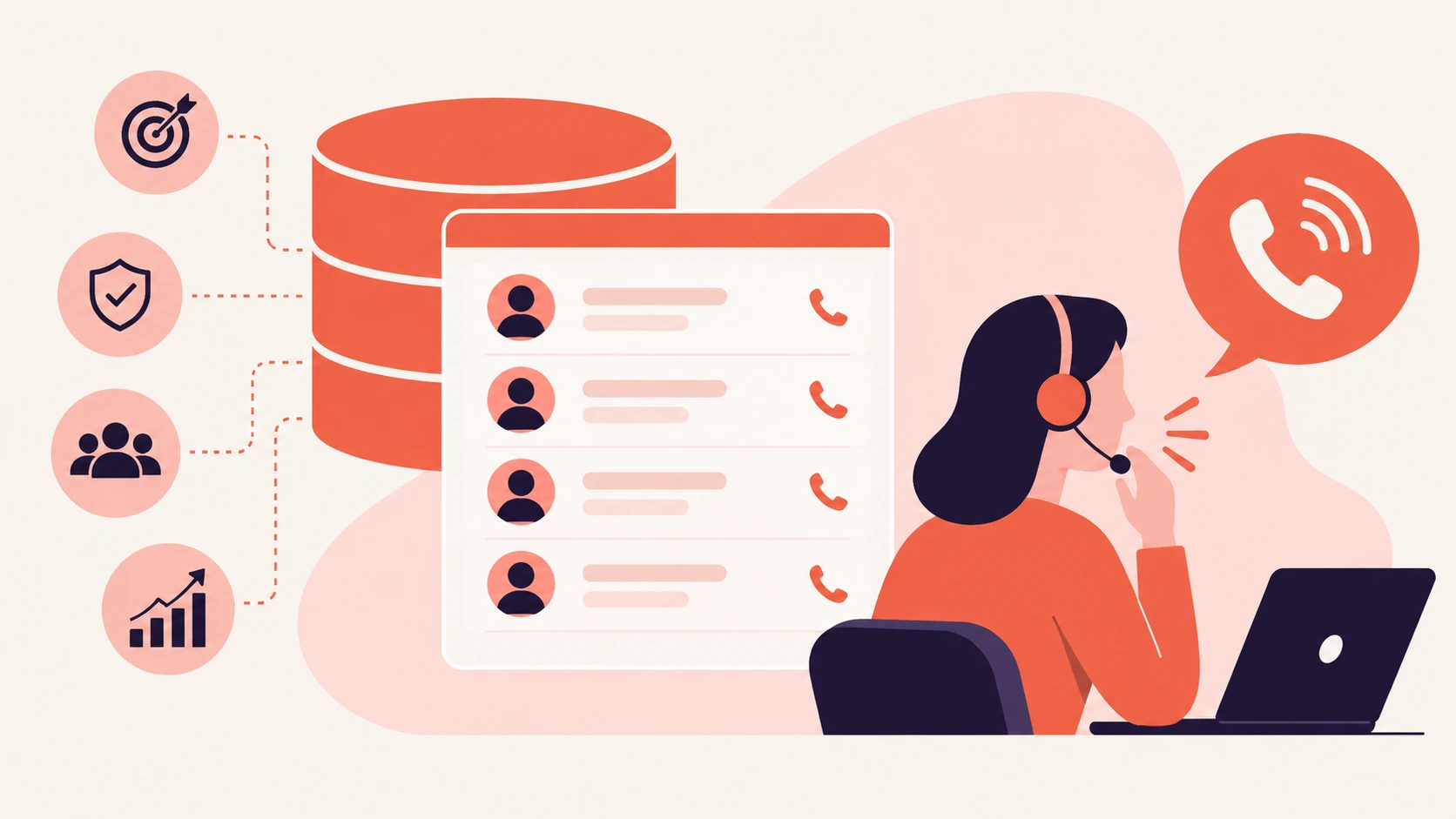
Sales intelligence tools changed what a call can be before the phone even rings.
Reps used to guess who to dial and hope the number worked. The better ones now walk into a call already knowing the account's tech stack and recent funding news. They also know whether that direct dial has ever bounced.
SMARTe at a glance:
- 289M+ verified B2B contacts across 200+ countries
- 75%+ US mobile (direct dial) coverage, 50%+ globally across EMEA, APAC, and LATAM
- Native Bombora intent signals that flag accounts already showing buying activity
- Real time verification, so numbers stay current instead of decaying inside a static b2b contact database
None of that replaces a strong opener. It just means fewer dials hit a disconnected number or the wrong department. A sales development representative (SDR) working a clean, verified list spends more of the day talking to people. Less of it goes to listening to dial tones.
What to do: Before your next calling block, pull a short list of accounts with verified direct dials instead of a general company list. Fewer dials, more live conversations.
A sharper call still needs backup, though. That is where the rest of your channels come in.
3. It Works Best Inside a Multichannel Sequence
No single channel wins on its own anymore. Email explains what a call cannot cover in thirty seconds. LinkedIn builds familiarity that makes a prospect more likely to pick up instead of hanging up. The call itself does something neither one can: it gets a real answer in real time.
Layer the three into one sales strategy and connect rates move more than any single channel change would on its own. A prospect who saw your name on LinkedIn last week answers differently than one hearing it for the first time. This holds up whether you are running pure cold calling versus warm calling or something in between.
Channels aside, the person on the other end of the line still decides whether any of this works, especially at the executive level.
4. Executives Still Pick Up for the Right Reason
Top level buyers are not unreachable. They are selective, and they have earned the right to be.
Gartner reported in May 2026 that 69 percent of B2B buyers still turn to a sales rep for validation. What they are validating is often something an AI tool already told them. Buyers are not avoiding reps. They are avoiding reps who repeat what a search engine already gave them for free.
I think that is the real shift worth naming. Executives didn't stop answering calls. They stopped answering calls that add nothing beyond what they could already find on their own.
A well researched call doesn't feel like an interruption to a buyer who has already read three vendor pages and still has questions. It feels like the fastest way to get a straight answer. Getting past the gatekeeper matters less when the call itself earns the next ten minutes.
Not every call lands like that, of course. What separates reps who improve from reps who quit is what they do with a no.
5. Every Rejection Sharpens the Next Call
Rejection is part of the job. It is not failure. It is feedback, delivered immediately, which is more than other channels give you.
Every "no" points at something: bad timing, the wrong contact, a message that missed the mark. Reps who work through cold calling objections instead of avoiding them get sharper, faster. Reps who only send emails rarely hear a direct answer at all.
Resilience shows up here more than talent does (though talent helps you recover from a bad call faster, so it's not nothing). The reps who last treat a hung up call as one data point, not a verdict on their career.
None of this is new, either. Cold calling has been adapting for a lot longer than a lot of reps realize.
6. It Keeps Adapting Instead of Dying
Cold calling has existed in some form for more than 150 years, starting long before phones were even mobile. The core purpose never changed: start a conversation with someone who was not expecting it.
What changed is the execution:
- Research first. Reps check company news and role changes before dialing, not after.
- Mobile reach. Decision makers work from anywhere, so a verified mobile number matters more than a desk line ever did.
- In person return. Drop by visits are making a small comeback now that more people are back in offices.
- Multichannel framing. Calls now sit inside a sequence with email and social, not apart from it.
The method keeps changing. The reason it still works, a real conversation with the right person, has not.
Adapting also means staying on the right side of the rules that govern how you dial in the first place.
What the FTC and GDPR Require Before You Dial
This part gets skipped constantly, and it shouldn't be.
The FTC's Telemarketing Sales Rule governs outbound calling in the US. Amendments added in 2024 extended protections against misleading claims to business to business calls specifically, not just consumer ones.
If your calls reach contacts in the EU, GDPR rules for cold calling apply too. That covers how you source and store contact data in the first place. As part of broader B2B telemarketing practice, treating compliance as an afterthought is how teams end up with fines instead of pipeline.
What to do: Check your data source's compliance posture before you build a calling list, not after legal asks about it.
Compliance covers what you're allowed to do. The next part covers what works once you start dialing.
When to Call, and When to Walk Away
A few patterns hold up across a lot of B2B teams I have talked to:
- Call late in the day. The last hour before people wrap up tends to outperform the first hour of the morning.
- Skip Monday and Friday when you can. Midweek calls generally land better once people have settled into their week.
- Size your dial volume to your market, not a random number from a blog post. A team targeting 200 named accounts should not run the same daily call count as a team blanketing an entire industry.
- End a dead call fast. A clear "not interested" saves more time than forcing a pitch nobody wants to hear.
Track these against your own SDR performance metrics for a quarter before you trust any general benchmark, including this one.
Put those patterns together with everything above, and the original question mostly answers itself.
Is Cold Calling Dead in 2026? Here Is the Honest Answer
Cold calling in 2026 is not a nostalgia channel that a few stubborn reps refuse to give up. It is one working piece of an outbound motion that also includes email, LinkedIn, and intent data telling you who to call first.
Blind dialing earned cold calling its bad reputation. Targeted calling still works, backed by a verified number and something worth saying in the first ten seconds. It remains one of the fastest ways to get a straight answer instead of a maybe.
The teams still winning with the phone are not the ones making the highest number of calls. They are the ones calling the right account, on a number that works. They give the prospect a reason to keep listening in the first sentence.
See how SMARTe finds verified mobile numbers in your target accounts before your next calling block.