TL;DR:
Buying Group Intelligence is the strategy of finding, tracking, and engaging every decision-maker involved in a B2B purchase. Instead of chasing a single lead, it focuses on the whole committee so you can close deals faster.
- The New B2B Reality: Sales teams must stop pitching individual leads and start selling to entire buying groups.
- The Need for Intelligence: Standard B2B deals now involve six to ten people, making account-level visibility critical.
- Mapping the Committee: You must identify key players, including the Champion, Economic Buyer, Technical Evaluator, and End User.
- B2B Data Foundation: Accurate contact data is required to map out exactly who works at your target accounts.
- Tracking Intent: Website engagement and third-party search data reveal when a buying group is actively looking for a solution.
- Account-Based Marketing (ABM): Marketing teams use this data to serve highly targeted ads to specific job roles.
- Multithreading Sales: Reps must reach out to multiple stakeholders at once with messaging tailored to their specific jobs.
- Winning More Deals: Engaging the whole group prevents late-stage blockers and shortens the sales cycle.
Buying Group Intelligence helps you understand everyone involved in a B2B buying decision. It shows you who influences the deal, who approves the budget, and who makes the final call.
Selling to one contact is no longer enough. Most B2B deals involve people from finance, IT, operations, procurement, and other teams. Miss one key stakeholder, and you can lose the deal.
In this guide, I'll show you what Buying Group Intelligence is, why it matters, and how you can use it to close more deals with the right people.
What Is Buying Group Intelligence?
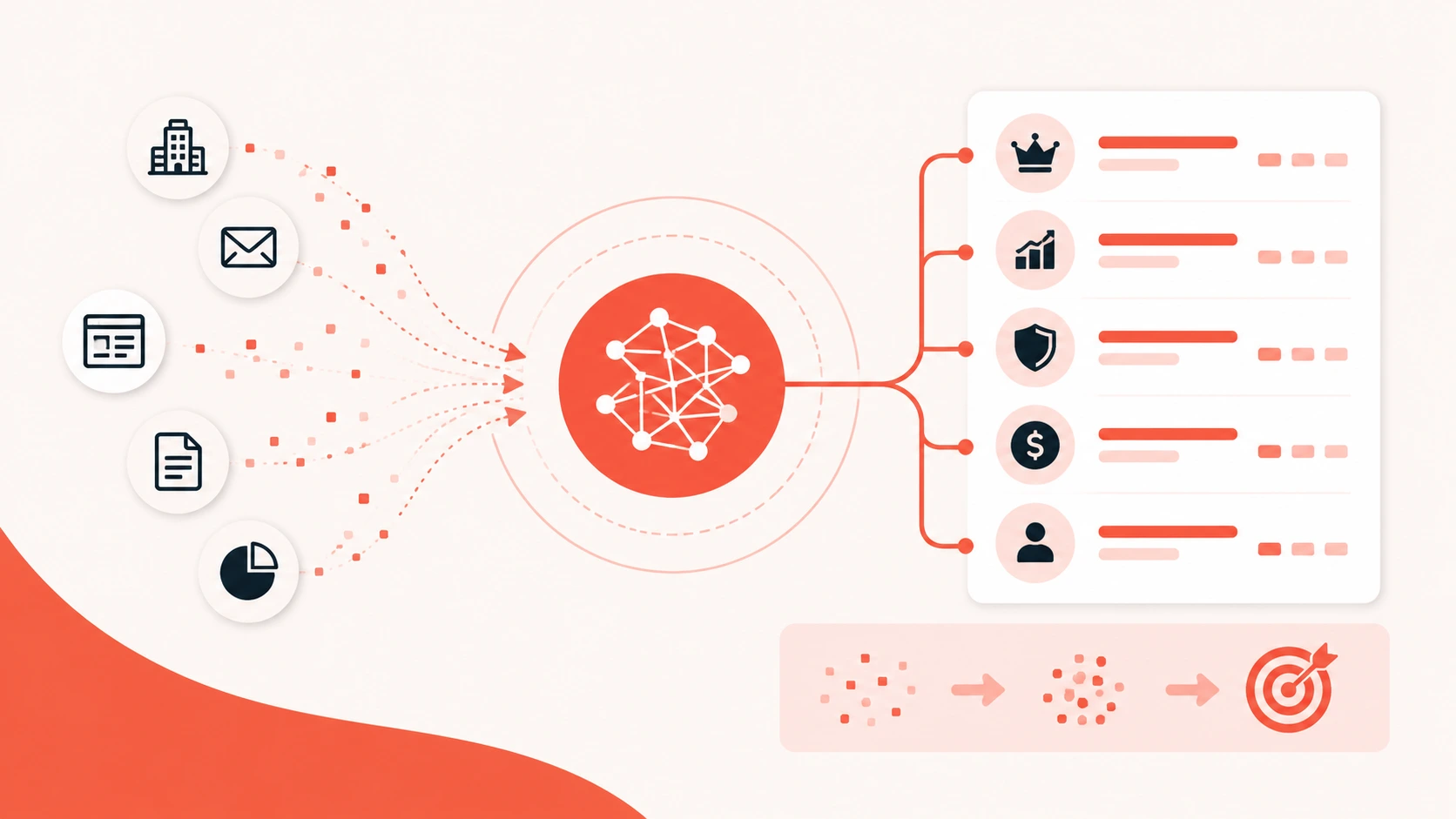
Buying group intelligence means finding, tracking, and reaching every decision-maker tied to a B2B purchase. That's a wider net than the one contact who happens to answer you.
Instead of scoring one lead at a time, you score the account. You connect actions across different people at the same company.
Say a marketing manager downloads your pricing guide. Two days later, someone from IT visits your security page. Most CRMs log those as two unrelated leads. Buying group intelligence treats them as the same event: a committee doing its homework.
The Shift from Leads to Accounts
No individual signs an enterprise contract alone. A committee does, every time.
Most sales and marketing platforms still score leads one at a time: clicks, opens, form fills. That works fine when one person owns the decision. It falls apart the moment six other people get a vote and never touch your website.
The person holding the budget might never fill out a form. Score individuals only, and you'll miss the account's real momentum. The deal you thought was warm goes cold with zero warning.
Why Buying Group Intelligence Matters Right Now
Sales cycles have gotten longer. Deals involve more people than they did five years ago. You cannot afford to build a pitch around one contact and hope the rest of the room agrees with them.
The Buyer Journey Isn't a Straight Line
Buyers rarely move in a straight line from problem to purchase. They loop back. They research, change their requirements, bring in a new stakeholder, and research again.
The b2b buyer journey mostly happens without you in the room. A recent Gartner survey found 61% of B2B buyers actually prefer a rep-free buying experience. Buying group intelligence still shows you where the account is stuck.
Buying Groups Have Gotten Bigger
I used to tell reps to find "the decision-maker." Honestly, that advice is outdated now.
Forrester's latest research puts the average buying decision at 13 internal stakeholders and nine external influencers. That number climbs higher for complex or AI-related purchases. 94% of buyers with groups of six or more say the larger group actually helped them, through broader input and easier budget approval.
A bigger b2b buying group only becomes bad news when you don't know who's in it.
The Shadow Veto Problem
I've watched a rep build a great relationship with the champion, get glowing feedback on every call, and still lose the deal.
A stakeholder who never joined a single call killed the deal, not a competitor chasing the same account. Maybe a security lead. Maybe a procurement manager three levels removed from the champion. They raised one objection internally, and the deal died quietly with nobody on your side even knowing a fight happened.
That's a shadow veto: a stakeholder with real blocking power who your team never engaged, because your team never knew they existed.
You cannot pitch your way around a shadow veto. You can only find it before it finds you. That's the entire point of buying group intelligence: finding the room before it costs you the deal.
The Building Blocks of Buying Group Intelligence
Good buying group intelligence rests on three things working together. Miss one, and the whole picture goes blurry.
Accurate B2B Data
You cannot track a committee if you do not know who works at the company.
Everything starts with clean, verified b2b data: real names, working emails, and direct numbers for the roles that typically show up in your deals. Skip this step, and you're building buying group maps out of guesswork. In my experience, that's worse than no map at all.
Most teams get this at scale by working with a b2b contact database provider, not by piecing it together by hand. SMARTe's AI Agents auto-discover buying groups per account, which saves reps the manual research most teams still do in spreadsheets.
Buying Signals and Triggers
Once you know who the buyers are, you need to know when they're active.
An account can fit your ideal customer profile perfectly and still be a dead end if they just renewed with a competitor for three years. Tracking buying signals tells you when an account enters the market: multiple people visiting pricing, or a spike in email engagement.
Watch for specific buying triggers too, like a new VP of Sales starting or a funding round closing. It also pays to track job changes for contacts you've already sold to. A champion who gets promoted (or moves to a new company entirely) is often the easiest recontact you'll ever get.
Intent Data
Buying signals show you what happens on your own site. Intent data shows you what the committee does everywhere else.
Third-party intent data tracks an account's research across thousands of other websites. If the committee reads competitor comparisons or searches category terms, that shows up here. It often happens before anyone checks your site at all.
Pick the right intent data provider carefully. Coverage varies a lot by industry, and a provider that's strong in SaaS might have almost nothing on a manufacturing account. Layer this third-party signal on top of your own first-party data, and you get a genuinely complete view of the buying group.
How Buying Group Intelligence Changes Sales and Marketing
Stop treating accounts as a pile of random leads and start treating them as committees. The rest of your go-to-market motion has to change with it.

Sharper Intent-Based Marketing
Marketing teams waste real budget putting ads in front of people with zero purchase authority.
With buying group visibility, you can target specific roles the moment they start researching. That beats blasting the whole account with one generic message. That's the backbone of solid intent based marketing: you stop guessing and start reaching the exact people trying to solve a problem you can fix.
ABM Campaigns That Actually Convert
Account-based marketing without buying group intelligence just markets to a company name, not the people inside it.
You need to know the internal dynamics of the team before you can target it well. A properly targeted abm campaign uses that intelligence directly. It sends the champion something about daily workflow. It sends the economic buyer a different piece entirely, focused on cost and ROI, in parallel.
Multi-Threaded Deals Close Faster
Reps who work one contact at a time are betting the entire deal on one person's internal influence. That's a bad bet, especially with 13 stakeholders in the room.
True multi-threaded selling spreads that risk across the account. When three or four stakeholders each hear from you directly, the deal survives a vacation, a job change, or a distracted champion. One quiet contact doesn't sink the whole thing anymore.
How to Build Buying Group Intelligence, Step by Step
Understanding the concept is easy. Here's exactly how to put it into practice, step by step.
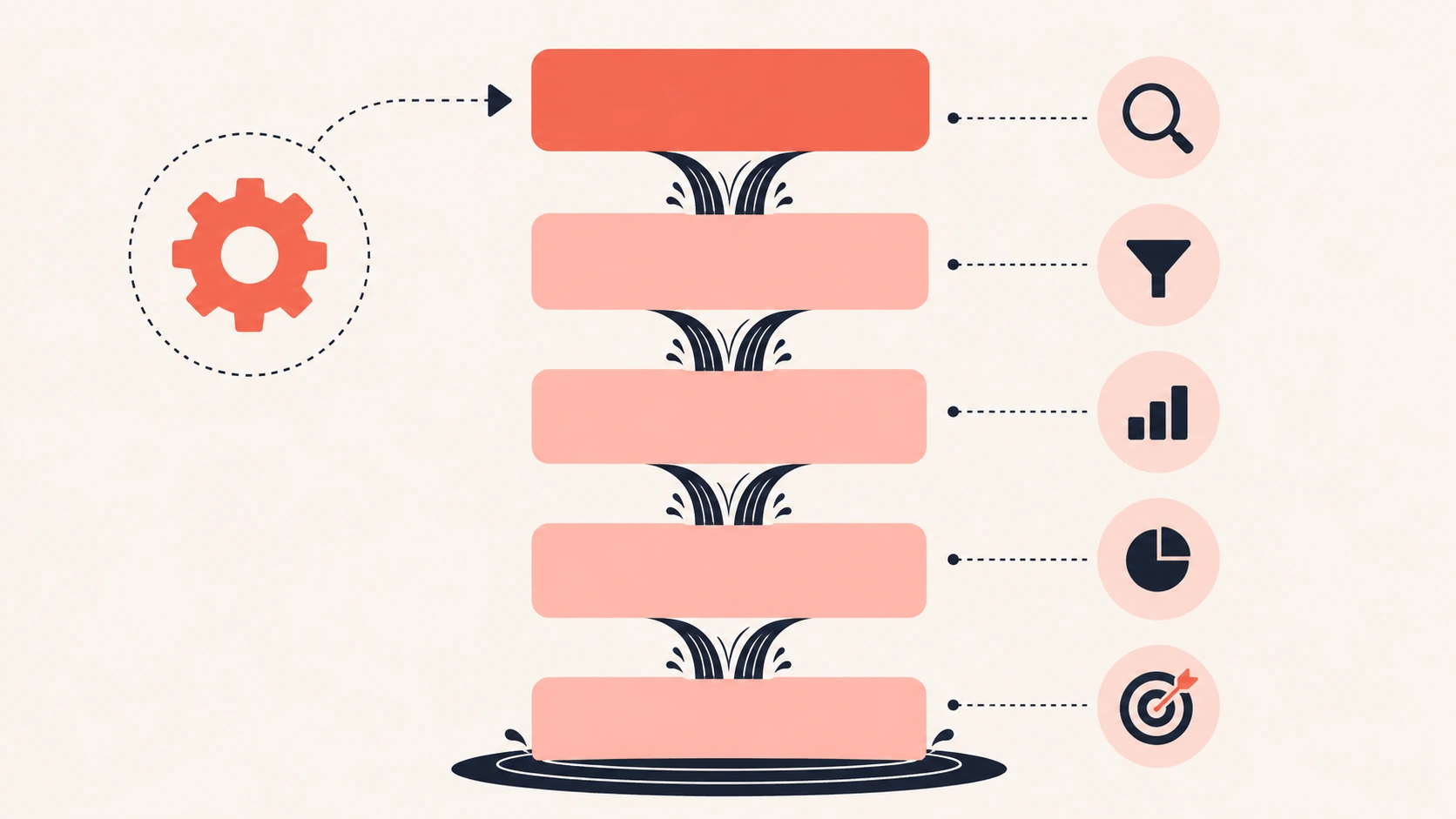
Step 1: Map the Committee
Start with your ideal customer profile. Look at your best closed deals. Figure out who was actually involved, not just who signed the contract.
Build a simple role map:
- The Champion: feels the pain daily and wants your solution to win internally. Worth tracking your champion even after the deal closes.
- The Economic Buyer: controls the budget. Often a VP, sometimes someone you'd approach the way you would selling to a CFO rather than a line manager.
- The Technical Evaluator: the IT or security lead who has to sign off before anyone else can.
- The End User: logs in every day and will quietly kill adoption if the tool doesn't work for them.
Use your data to find actual names and contact details for the people filling these roles, not job titles you're guessing at.
Step 2: Spot the Intent
Connect your CRM and marketing automation to an intent data source, then set a real threshold for alerts.
Don't ping a rep because one person opened an email. Alert them when three or four mapped stakeholders show activity in the same week. Some teams build this into their account level lead scoring model directly. That way, the account surfaces on its own, and a rep doesn't have to notice it first.
Step 3: Multithread the Outreach
This is the step most teams skip, and it's the one that actually matters.
When an account lights up, don't reach out to just the one contact who's always responsive. Send the champion something about day-to-day workflow, and send the economic buyer a separate note about cost. Then get documentation in front of the technical evaluator before they even ask for it.
What to do: Build three short, role-specific messages before the account shows intent, not after. When the signal fires, you send within the hour instead of scrambling to write something from scratch.
If you don't already have a system for finding these people, platforms that identify buying group members exist. Most integrate directly with the CRM you already use.
The Bottom Line
Buying Group Intelligence is not a buzzword; it is a required survival skill in modern B2B sales.
Companies do not make decisions in isolation. They buy as a team. If you want to increase your win rates, shorten your sales cycles, and stop losing deals to hidden blockers, you must adopt an account-level view.
Clean your data, track the intent signals, map the committee, and empower your sales team to engage the entire group. When you align your strategy with how modern buyers actually buy, your revenue will grow.